
Investing in epoxy garage flooring in homes is a decision rooted in both visual appeal and long-term durability. When properly installed, an epoxy garage floor transforms a raw concrete slab into a clean, professional-grade surface that resists stains, abrasions, and moisture. These floors are known for resisting stains, moisture, and chemicals—making them ideal for garages, workshops, and utility areas. But even the best epoxy floor can begin to fail when foundational problems beneath the surface go unaddressed.
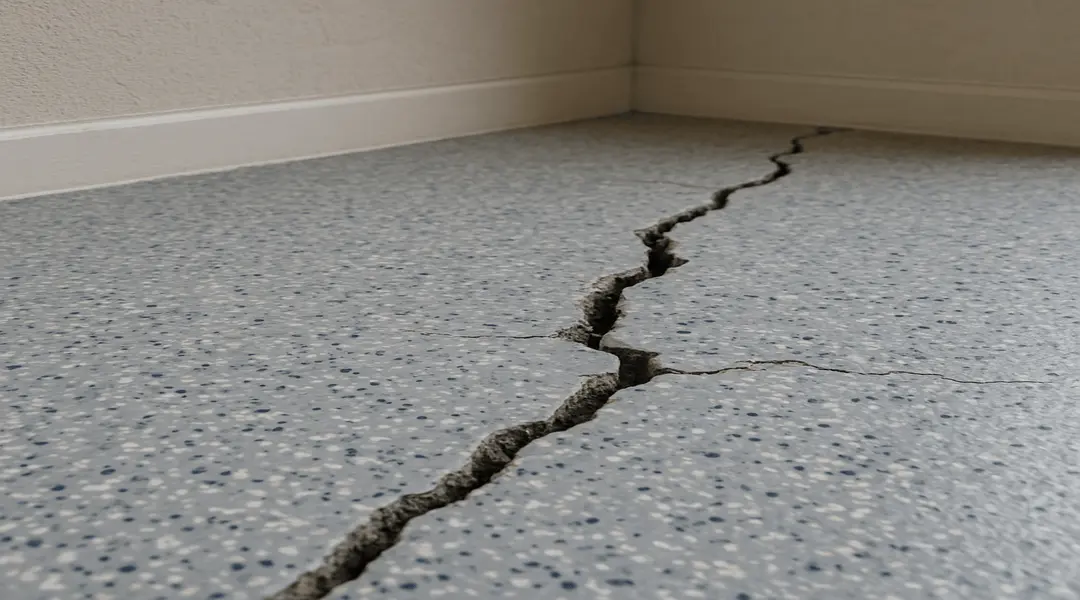
One of the most common signs of trouble is cracking beneath the epoxy layer. These cracks can start small and barely visible, but they often indicate larger structural or environmental issues that could compromise the longevity and performance of the floor. To protect your investment, it’s important to understand what causes these cracks, how to spot them early, and what can be done to prevent or repair the damage.
Why Do Cracks Form Under Epoxy Floors?
Cracking beneath epoxy floor coatings is rarely caused by the coating itself. In most cases, it’s the concrete substrate underneath that’s moving, settling, or deteriorating. Epoxy is a rigid material—it doesn’t flex with the slab below. So when the concrete shifts or cracks, that damage telegraphs through to the surface.
In New Jersey, where seasonal changes cause frequent freeze-thaw cycles, these issues are especially common. Concrete expands and contracts with temperature swings, and if your garage isn’t climate-controlled, that stress builds up over time.
Other common causes of cracking under epoxy include:
- Improper surface preparation: If the concrete wasn’t adequately cleaned, profiled, or repaired before epoxy was applied, it won’t bond properly.
- Moisture vapor transmission (MVT): Moisture rising from the ground below can disrupt the adhesion between concrete and epoxy.
- Structural settlement: If the garage foundation settles unevenly, it can cause shifts in the slab and cracking at the surface.
- Thermal cycling: Daily temperature changes can cause expansion and contraction that stress both the slab and the coating.
Understanding these causes is the first step in avoiding premature failure and ensuring your epoxy floor performs as intended for years to come.
Spotting the Early Warning Signs
Cracks forming under epoxy aren’t always immediately obvious. Sometimes, they’re visible as thin lines beneath the surface; other times, they show up as bubbling, discoloration, or lifting. It’s easy to mistake these issues for cosmetic imperfections, but they often point to a deeper problem.
- Visual signs to watch for include:
- Fine, hairline fractures near walls or corners
- Raised or uneven areas in the coating
- Dark lines or “shadows” beneath the epoxy
- Bumps or rough patches underfoot
It’s also common to feel changes before you see them—an uneven roll of a cart or a “hollow” sound when tapping on the surface may suggest the coating is separating from the concrete below. If you notice any of these signs, it’s a good idea to schedule a professional assessment before the damage spreads.
How to Prevent Cracks Before They Happen
The most effective way to avoid cracking in garage epoxy floors is by addressing issues at the substrate level before any coating is applied. A quality epoxy system depends on proper preparation as much as the materials themselves.
That preparation includes:
- Moisture testing – This step identifies whether vapor pressure is present beneath the slab. High levels may require a moisture-mitigating primer or vapor barrier.
- Crack and joint repair – Any visible cracks or expansion joints should be filled and leveled with industrial-grade repair compounds.
- Surface profiling – Grinding or shot blasting creates the correct surface texture for epoxy to bond effectively.
- Degreasing and cleaning – All oils, paints, and residues must be thoroughly removed to prevent adhesion failure.
- Priming – A primer layer helps the epoxy bond securely to the concrete and can improve durability in high-moisture environments.
Skipping or rushing any of these steps puts the entire floor at risk for future cracking, bubbling, or delamination.
Climate Matters: Why New Jersey Garages Are at Risk
Temperature and humidity play a major role in epoxy performance, and New Jersey’s climate presents a unique challenge. Most epoxy floors need to be installed in conditions between 55°F and 90°F to cure properly. If it’s too cold, the epoxy won’t harden as intended. If it’s too hot or humid, it can cure too quickly—leading to a brittle finish and weak adhesion.
After installation, your garage continues to experience wide temperature swings, especially in winter. Concrete expands and contracts with these shifts, and without the proper materials and application process, the epoxy can’t keep up. This is why using vapor-tolerant epoxies and flexible primers is essential in this region.
At Veneer Coatings, we closely monitor environmental conditions during every installation to ensure ideal curing and long-term durability.
What to Do If Your Epoxy Floor Is Cracking
If your epoxy floor is already showing signs of cracking, it doesn’t always mean a full replacement is necessary. There are several repair options available depending on the extent of the damage.
Hairline cracks may be filled with low-viscosity epoxy injection systems, followed by a resurfacing layer that blends with the existing coating. For wider cracks or areas where the epoxy is peeling, the solution may involve grinding down to bare concrete, repairing the substrate, and reapplying a full epoxy floor coating system.
If the problem stems from moisture or substrate instability, more extensive preparation may be needed—including the use of moisture-blocking primers or even installing a different type of epoxy product that tolerates vapor transmission better.
Maintenance Tips to Keep Cracks from Returning
Once your epoxy garage floor is properly installed—or repaired—it’s important to maintain it correctly to avoid recurrence of cracking.
Here are a few smart practices:
- Sweep or dust-mop regularly to remove abrasive grit
- Clean up spills promptly with pH-neutral cleaners
- Avoid harsh chemicals or acidic cleaning agents
- Keep the garage well-ventilated to minimize moisture buildup
- Inspect the floor at the change of seasons for signs of wear or movement
With just a little routine maintenance, your epoxy floor can retain its strength, shine, and seamless appearance for many years.
Know When to Call a Professional
Some surface imperfections can be fixed with a simple patch or touch-up. But others—especially those involving widespread cracking or delamination—require professional repair to address underlying issues with the substrate.
If you notice ongoing bubbling, peeling, or cracking that continues to spread, don’t wait. These problems are much easier and more cost-effective to fix when caught early. Veneer Coatings provides comprehensive floor diagnostics to determine what’s happening beneath the surface and recommend a solution tailored to your garage’s needs.
Why Veneer Coatings is the Right Partner for Your Epoxy Floor
At Veneer Coatings, we do more than just apply epoxy. We offer full-service garage epoxy floor systems designed to perform in the real-world conditions of New Jersey homes. Our process includes in-depth preparation, high-performance materials, and attention to the environmental factors that affect your floor’s longevity.
We serve homeowners throughout Monroe Township, East Brunswick, Spotswood, and nearby communities. Whether you’re seeing signs of cracking in an existing epoxy floor or want to make sure your new system is installed the right way from day one, we’re here to help.
Schedule a consultation today and get a detailed quote for your epoxy floor inspection, repair, or installation. Protect your concrete—and your investment—with the experts who do it right the first time.
