
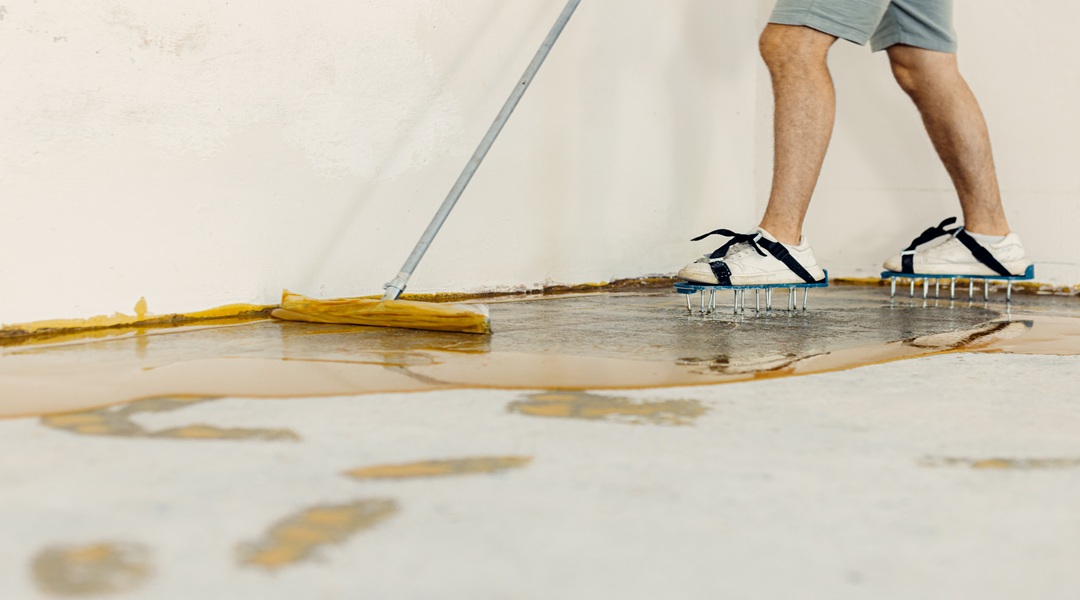
In your quest for a sleek, durable garage floor, the choice of epoxy makes all the difference. A low-grade application could hide perils that compromise both safety and longevity. From improper surface prep to ignoring moisture levels or using chemical-laden mixes, there are many risks.
With an array of products on market shelves, selecting top-notch epoxy for your space is crucial. To start off strong, let’s dig into how you can identify quality epoxy that ensures a finish as resilient as it’s appealing.
Identifying Quality Epoxy for Your Garage
When selecting an epoxy coating for your garage, quality matters to prevent future headaches. First things first, a high-caliber epoxy should bond firmly with the concrete base it covers; this ensures longevity and resistance to daily wear such as heavy drops or shifting equipment. Not only does it need to tolerate harsh chemicals without losing its sheen but also stand up against environmental factors without succumbing quickly.
We know you’re hunting for flooring that isn’t just robust but also has aesthetic flexibility, offering a spectrum of hues and finishes from matte understatement to bold glossiness that fits right in with diverse décor choices. Our best epoxy for garage, appreciated by property owners across New Jersey, offers easy maintenance and reduces time and cost commitments. Floors resilient enough to handle bustling foot traffic yet stylish enough to be mistaken for elegant hardwood are guaranteed by Veneer Coatings.
Beware of Inadequate Floor Preparation Pitfalls
- Substrate Assessment Accuracy: Before laying down epoxy, examining the substrate is crucial. It’s all about catching floor imperfections early on; otherwise, you’re in for trouble later. With a laser-focused inspection, we spot inconsistencies that might ruin an installation.
- Importance of Proper Preparation: You wouldn’t paint over a dirty wall and expect perfection, same goes for floors and epoxy coatings! Ignoring this step often means costly redo work when those unsightly bumps make themselves known under new flooring, it’s non-negotiable prep work here!
- Mortar Coverage Essentials: ANSI guidelines aren’t just suggestions, they’re the rulebook for flawless finishes! Did you know? For dry installations, 80% mortar coverage is essential, but take it up to 95% if moisture is involved to avoid cracking tiles down the road. A firm foundation supports lasting beauty.
Spotting Subpar Epoxy Application Techniques
When you spot your epoxy floor peeling, take it seriously. This isn’t just about looks; the concrete underneath could be at risk too. Temperature swings or high humidity are often culprits here, they can mess with how the resin sets down on your floors.
To get things right, surfaces need to be free from oils and completely dry before application. A professional will ensure proper preparation is done by cleaning thoroughly and opening up pores in the concrete for a better bond. If you’re noticing unevenness or signs of lifting, reach out to us, quick action now might save bigger headaches later on.
The Perils of Ignoring Moisture Levels
- Moisture accumulation risks: The perils of ignoring moisture in concrete are real and costly. Trapped moisture under seamless coatings tries to escape, creating unsightly issues like bubbling or blistering on your garage floors. Not only is this a visual nightmare, but it can lead to expensive fixes down the line.
- Essential pre-installation checks: Before you even think about adding any coating to your floor, check that slab for hidden dampness! Tests like RH testing provide an insider’s view into how much water vapor lurks within those air spaces, vital for sidestepping adhesive failures later on. Without these tests, you’re stepping into risky territory blindly.
- Addressing moderate moisture levels: Detected some humidity? Don’t fret; there’s hope with primary barriers designed just for such instances! Some products act as heroes against moderate vapor emissions without lengthy cure times standing in your way; they lay down solid defense so delamination doesn’t tear apart all your hard work.
Chemical Hazards in Low-Grade Epoxy Mixes
When considering epoxy for your garage floor, keep in mind that some low-grade mixes pose chemical hazards. Skin contact with these epoxies can cause itching or even more severe allergic reactions over time. If you breathe in the fumes without good ventilation, it might lead to coughing and long-term lung irritation.
Your eyes are also at risk; accidental splashes can result in serious discomfort. To stay safe, always wear gloves and goggles while working with any kind of epoxy product. We recommend investing a bit more up front into high-quality coatings like our polyaspartic solution to avoid these risks altogether; It’s about making sure safety goes hand-in-hand with durability and style for your spaces.
Navigating the Complexities of Epoxy Longevity
- Surface Prep Impact: Your epoxy coating’s longevity starts before it even touches the concrete. Proper surface preparation ensures a strong bond between your garage floor and the epoxy layer. Cleaning, repairing cracks, and smoothing out surfaces are crucial for preventing early peeling.
- Coating Quality Matters: The resilience of your garage floor depends heavily on the quality of the epoxy used. High-quality epoxies resist wear, chemicals, and temperature changes better than budget options do. Investing in superior products will save you time and money on future repairs.
- Maintenance Is Key: Regular care extends an epoxy coating’s life considerably by keeping adverse influences at bay while maintaining its luster; clean spills quickly to avoid stains or damage to the protective finish; this simple routine maintenance keeps coatings looking great years down the line.
Uncovering Hidden Costs in DIY Applications
When tackling a DIY garage floor epoxy project, you might find the initial savings tempting. Yet what’s often not clear is how these upfront costs can balloon due to hidden expenses. For instance, do-it-yourself kits typically contain fewer decorative flakes, leaving you with an uneven and lackluster finish.
It’s mistakes like these that add up; a redo here, extra materials there, can quickly eat into your budget. On the other hand, we provide professional installations that ensure finely distributed flakes for both appeal and endurance, with no surprise fees later on down the line. Plus, without proper application know-how or tools at home, repairs are more likely as DIY floors are more susceptible to peeling over time, hence requiring increased maintenance compared to our durable solutions.
When you consider epoxy for your garage floor, think about potential risks. Over time, amateur application can lead to peeling and chipping. Moisture trapped beneath causes mold growth, a hidden health hazard in your home’s underbelly.
Then there’s the issue of slipping; glossy finishes are sleek but perilous when wet. Choose Veneer Coatings for a seamless blend of safety, elegance, and lasting quality to safeguard not just the surface but what lies underneath as well, as well as peace of mind with every step you take in your garage space.
