
Epoxy garage floors promise durability, a sleek finish, and long-lasting performance. However, an untrained installer can quickly turn that dream into a costly nightmare. Mistakes like inadequate surface preparation, incorrect mixing ratios, or poor application techniques can undermine the quality of the final product. Not only will your floor lose its aesthetic appeal, but it will also wear down much faster and fail to last as long.
To ensure you get a floor that shines and lasts, it’s essential to choose the right team of epoxy garage floor installers. An experienced crew will consistently deliver excellent results, project after project. Spotting unqualified installers is the first step in protecting your investment.
How to Spot Inexperienced Epoxy Flooring Installers
Recognizing inexperienced epoxy garage floor installers is key to avoiding costly repairs and a subpar finish. Untrained installers often cut corners, skipping essential surface prep steps, leading to long-term damage and issues that are difficult and expensive to fix.
- Surface Prep Mistakes: Skipping or rushing vital steps in cleaning and profiling concrete can lead to poor adhesion. When concrete isn’t properly prepared, epoxy primers and base coats struggle to bond, causing peeling or bubbling later on.
- Moisture Issues: Another big red flag is when installers fail to properly address moisture issues in your space. Moisture beneath the surface can weaken the bond between the concrete and the epoxy, increasing the risk of bubbling or peeling finishes.
- Not Allowing Full Curing: Proper curing is crucial to the longevity of your epoxy garage floor. If each coat (primer, base, and top) isn’t given ample time to cure before the next is applied, it can compromise both the look and durability of the floor. Rushing the job leads to premature wear, scratches, chemical stains, and UV damage.
To avoid these pitfalls, always research epoxy flooring services near me and seek out companies that emphasize thorough preparation and proven, industry-standard techniques.
Epoxy Floor Installers: Signs of Inexperience to Watch For
It’s critical to be able to spot the signs of inexperienced epoxy garage floor installers. Below are some key indicators that the installation is not being done right:
- Poor Adhesion: Without proper surface prep, epoxy coatings can’t bond effectively with the concrete, leading to peeling, chipping, or bubbling.
- Unaddressed Moisture Issues: Moisture is one of the biggest threats to epoxy garage floor installations. Installers who don’t address these issues during preparation risk long-term problems like bubbling and peeling finishes.
- Rushed Curing Process: Rushing the curing process weakens the durability of your floor, leaving it more susceptible to scratches, stains, and other damage. A thorough, patient approach to curing will result in a more resilient finish.
By paying attention to these signs, you can avoid choosing the wrong epoxy floor installers and ensure your floor lasts for years to come.
The Perils of Poor Surface Preparation
Surface preparation is the most important step when installing an epoxy garage floor. Poor preparation can lead to serious, long-term issues, even if everything else is done right. Here’s a breakdown of the risks:
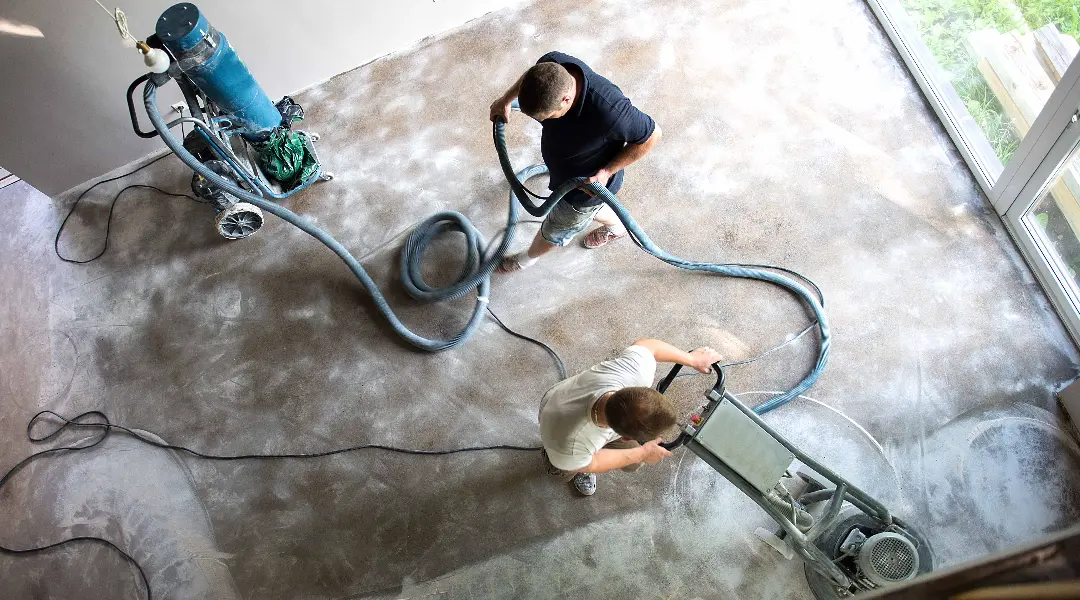
- Substandard Concrete Profiling: For epoxy floors to adhere properly, the concrete must be prepared to the correct profile. Experienced installers use tools like planetary diamond grinders or shot blasters to achieve the ideal surface profile for epoxy bonding.
- Skipping the Priming Step: Priming is essential to ensure a strong bond between the concrete and the epoxy coating. If installers skip or improperly apply primer, the durability and adhesion of the floor are compromised.
- Ignoring Contaminants: Oil, grease, and other contaminants on the concrete surface can act as “bond-breakers,” preventing the epoxy from adhering properly. These contaminants must be cleaned thoroughly before applying any coatings to ensure a successful installation.
Consequences of Incorrect Epoxy Mixtures
Precision is key when mixing epoxy. If the resin and hardener are not mixed correctly, the entire installation could be compromised. Here are some potential issues:
- Peeling and Surface Damage: Incorrectly mixed epoxy can lead to poor curing, causing the floor to be prone to peeling and other surface damage.
- Temperature and Humidity Impact: If the installation is done in extreme temperature or humidity conditions, it can affect how the epoxy cures. Conditions that are too hot or humid will prevent the resin and hardener from properly bonding, leading to an unreliable surface.
- Complicated Repairs: Incorrect mixing can lead to issues that are difficult to fix, sometimes requiring the entire installation to be redone.
At Veneer Coatings, our epoxy floor installers prioritize getting every detail right, from mix ratios to environmental conditions, ensuring a flawless finish every time.
Impact on Longevity and Durability
When you choose an epoxy garage floor, durability and longevity should be top of mind. Unfortunately, inexperienced installers can severely compromise these key aspects:
- Inadequate Surface Preparation: Epoxy needs a well-prepared base to bond effectively. Epoxy garage floors installed by untrained installers often experience poor adhesion due to insufficient prep, leading to peeling or lifting that shortens the lifespan of your floor.
- Incorrect Application Methods: Epoxy floor installers who don’t follow best practices can result in an uneven coating. If the epoxy is applied too thin, it won’t withstand daily wear and tear, leading to cracks or chips prematurely.
- Misapplication of Epoxy: Using the wrong type of epoxy for your specific environment can dramatically reduce its effectiveness. Whether it’s the wrong mix or choosing a product that’s not suitable for your space, poor material selection leads to premature wear and early failure.
Tell-tale Signs of Amateur Installation Work
If you notice any of these signs, it’s a clear indication that your epoxy garage floor installation may not have been done by professionals:
- Chipping and Cracking: Small blemishes, cracks, or chips could be signs that the installation wasn’t done right from the start. These issues are often caused by poor surface preparation or incorrect curing.
- Bubbling: Air or moisture trapped beneath the epoxy can create bubbles that eventually burst, leaving unsightly marks on your floor.
- Premature Degradation: If your epoxy floor starts showing signs of wear much sooner than expected, it could be due to improper application techniques or incorrect mixing.
Correcting these issues often costs more than hiring a professional in the first place. Avoid the headache and ensure a high-quality, long-lasting epoxy garage floor by hiring trained experts.
Avoiding Common Mistakes by Professionals
When installing an epoxy garage floor, there are common mistakes to avoid. A little awareness can save you a lot of time, money, and frustration:
- Surface Preparation: Proper surface prep is non-negotiable. Grinding or shot-blasting the concrete ensures the epoxy bonds effectively, preventing peeling or bubbling later on.
- Mixture Accuracy: The right ratio of resin to hardener is crucial. Too little or too much of either component can result in a subpar cure, leaving your floor vulnerable to damage.
- Curing Considerations: Rushing the curing process can compromise the final result. It’s important to wait for each layer to fully dry before applying the next, ensuring a smooth, durable finish.
Choose Expert Epoxy Floor Installers
Choosing the right epoxy floor installer isn’t just about the look; it’s about durability, performance, and long-term peace of mind. When you go with Veneer Coatings, you’re choosing a company that delivers on every promise, every time. Get in touch with us today to ensure your floor will be as beautiful and durable as you’ve always dreamed.
